


Home > Restaurants and Foodservice
Restaurant Choking Readiness
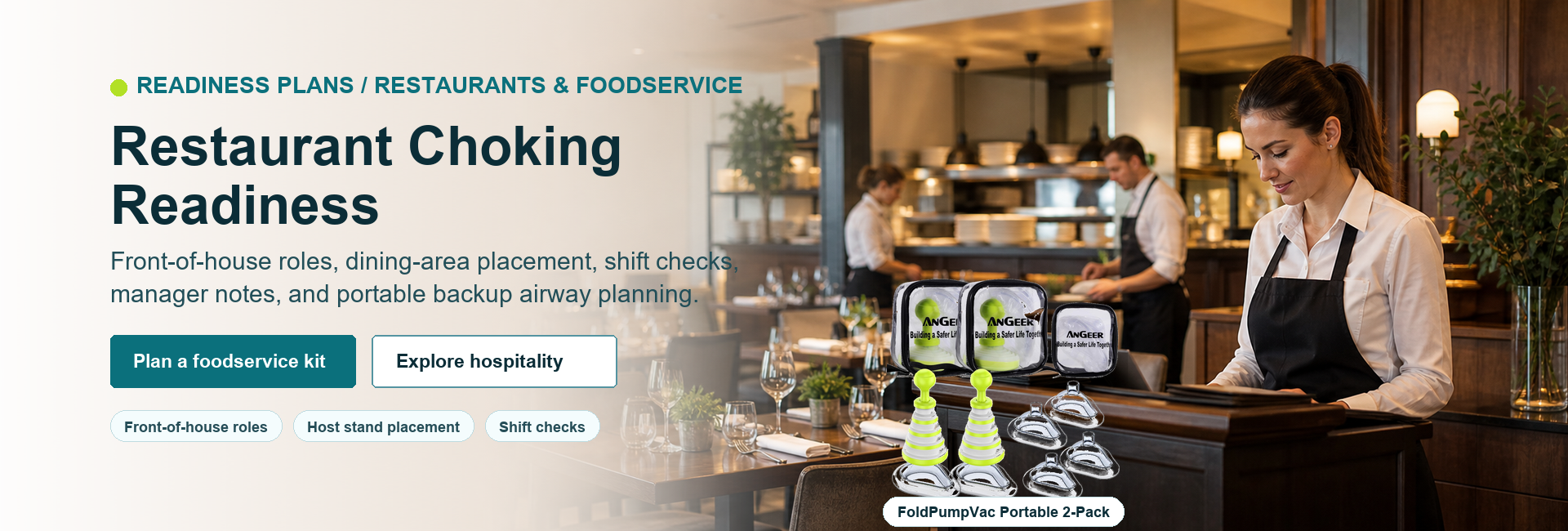

Restaurants and foodservice
Restaurant Choking Readiness: Staff Roles, Dining-Area Placement, and Backup Airway Planning
Restaurants, cafeterias, hotels, and foodservice teams need a plan that works during a busy shift. This page organizes staff roles, kit placement, manager checks, and Fitiger backup options without interrupting service flow.
Dining room accessShift checksManager roleIncident notesPortable kit
How restaurants can make readiness practical
1
Keep response roles simple
Managers can define who calls emergency services, who follows first-aid guidance, and who retrieves backup equipment.
2
Place kits near real traffic paths
Storage should be close enough for dining rooms, bars, patios, and banquet spaces without blocking service.
3
Add shift-level checks
A brief opening checklist helps ensure the kit is present, visible, and not buried behind supplies.
Foodservice readiness map
| Area | Planning detail | Useful Fitiger link |
|---|---|---|
| Dining room and host stand | Place a visible response checklist and define who retrieves the kit. | FoldPumpVac Portable Device |
| Kitchen and prep area | Keep staff roles clear so response does not depend on one manager being present. | How It Works |
| Banquets, hotels, and mobile catering | Use portable kit planning for rooms or events away from the main dining area. | Hospitality Facilities |
Foodservice-ready Fitiger kit options
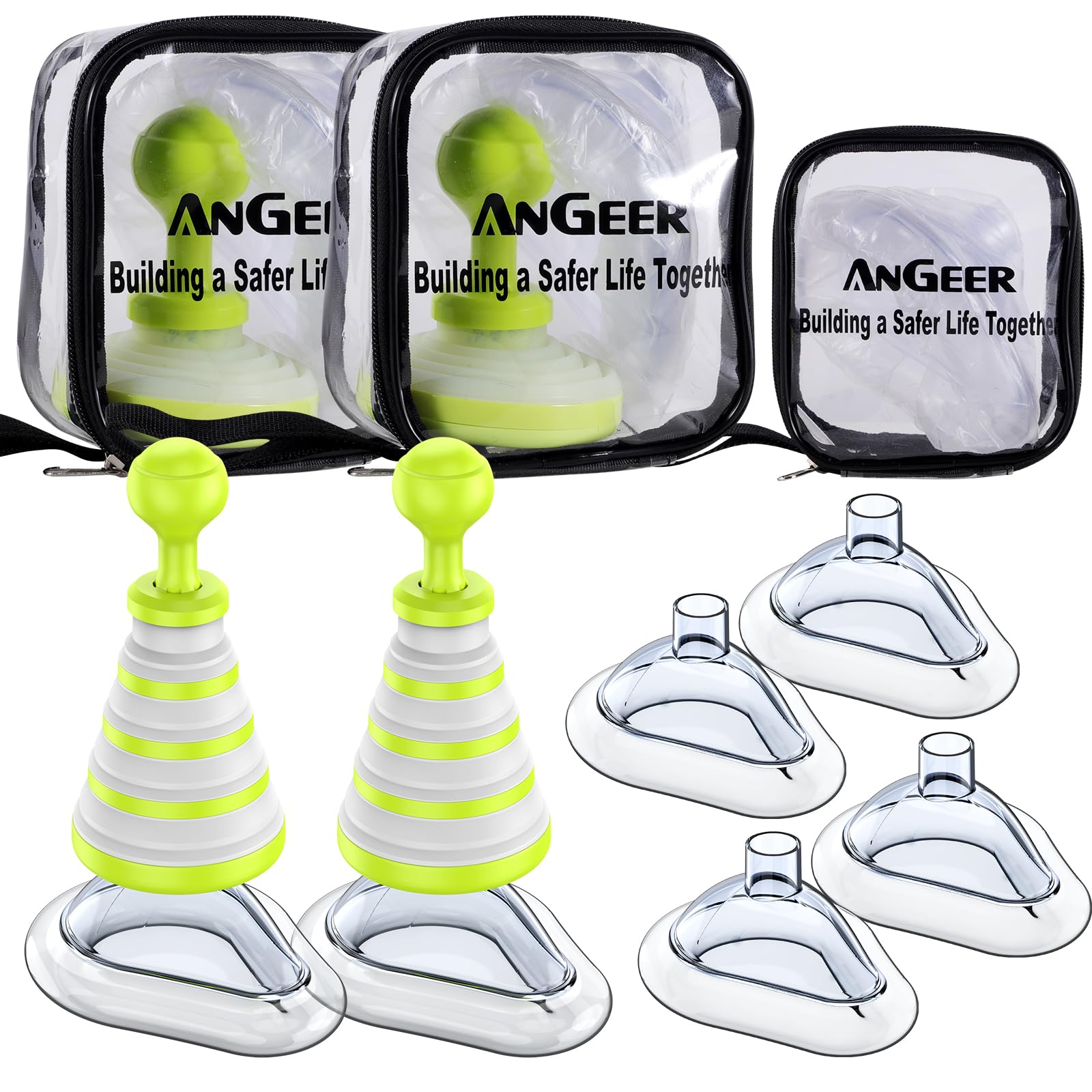
FoldPumpVac portable option
A practical option for dining rooms, event spaces, catering setups, and mobile foodservice workflows.
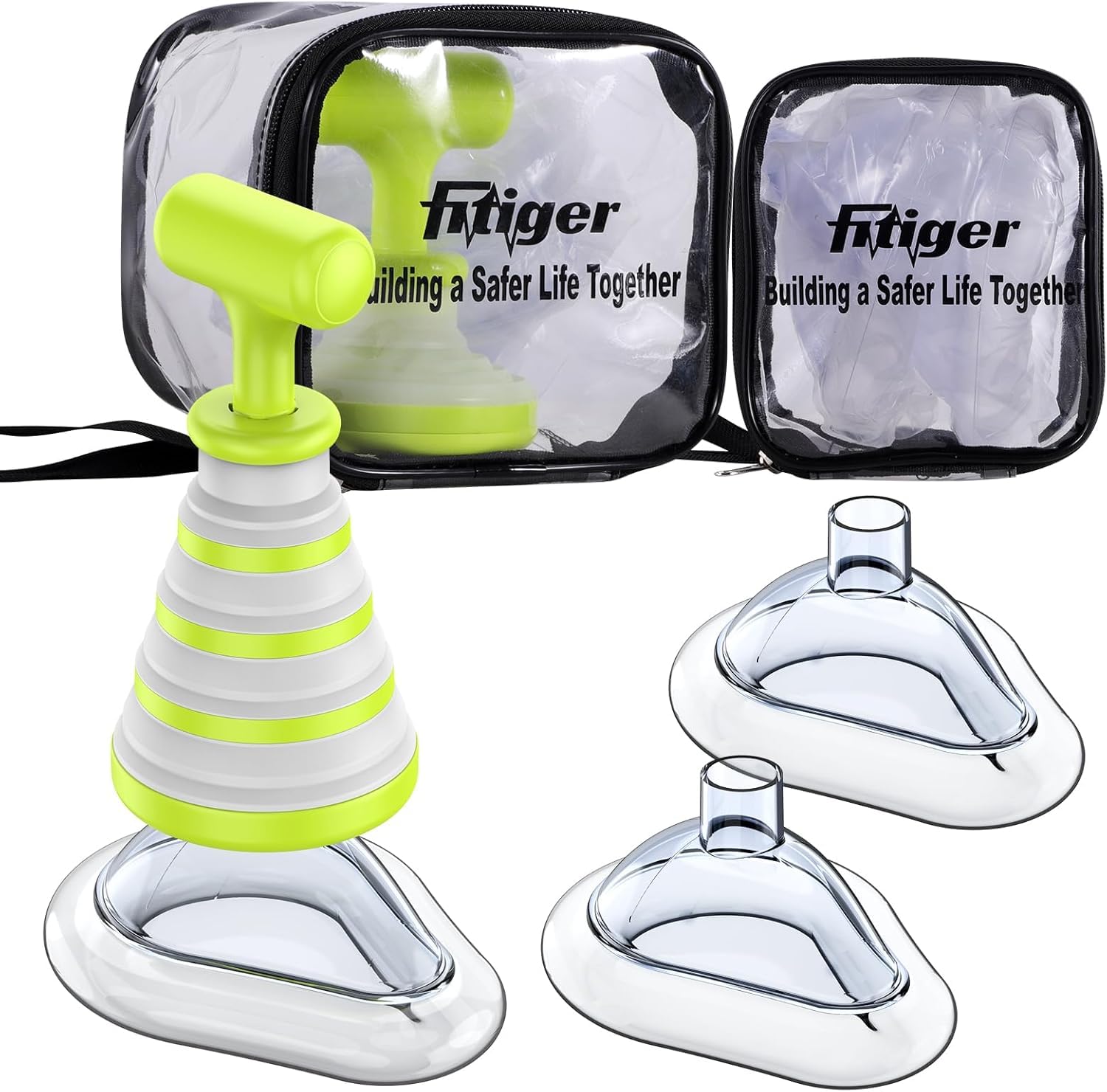
FoldPumpVac Home Kit
A compact kit option for host stands, manager offices, and visible emergency-readiness storage.
Foodservice and hospitality readiness resources
Hospitality facilities readinessChurch and community kitchen choking response planDining-area device placement guideBuyer evidence checklistFoldPumpVac Portable DeviceShop all Fitiger kits
FAQ
Where should restaurants place a choking response kit?
Many restaurants choose a visible manager-approved location near the dining room, host stand, or service area, with a second plan for banquets, patios, catering, or private rooms.
How should foodservice teams include Fitiger in a choking readiness plan?
A restaurant choking readiness plan should define front-of-house roles, kit retrieval, emergency activation, incident notes, and the boundary that backup equipment does not replace first aid.
What should restaurants compare before buying an anti-choking kit?
Foodservice buyers should compare portable kit size, dining-area placement, shift-check workflow, manager access, staff training needs, and how the kit supports a backup airway response plan.
Make choking readiness part of opening shift checks
Add kit visibility, staff roles, and backup airway planning to the same operational checklist that already covers guest safety and service readiness.
Medical and safety boundary: Fitiger pages are educational and product-planning resources. They do not replace professional medical advice, emergency services, CPR training, back blows, abdominal thrusts, or local first-aid guidance.


