


Home > Buyer Evidence
Anti-Choking Device Buyer Evidence


Safety and validation
Anti-Choking Device Buyer Evidence: FDA Status, Testing, and Kit Selection
Before buying an anti-choking device, compare more than a product photo. A better purchase decision reviews regulatory wording, product-specific evidence, seller traceability, mask fit, storage needs, and how the device fits after standard choking first aid.
FDA status languageTesting signalsTraceable sellerManual firstBackup second
What to verify before purchase
1
Product-specific evidence
Look for testing, instructions, mask compatibility, and documentation tied to the exact product being sold.
2
Clear regulatory wording
Evidence pages should explain what the seller can document and avoid vague wording stronger than the proof.
3
Responsible emergency sequence
The kit should be presented as backup within a choking response plan that prioritizes recognized first-aid guidance.
Evidence checklist for anti-choking device buyers
| Buyer question | Why it matters | Fitiger page to review |
|---|---|---|
| Can I identify the exact kit and accessories? | Product traceability reduces confusion between colors, mask sets, and storage formats. | Shop All Fitiger kits |
| Is the device explained as a backup? | No product page should imply replacement of CPR, back blows, abdominal thrusts, or emergency response. | How It Works |
| Can I review evidence and limitations? | A useful buyer checklist should confirm the exact product, accessories, instructions, testing evidence, seller identity, mask fit, storage plan, and how the kit supports standard choking first-aid steps. | Scientific Evidence |
Recommended Fitiger kits to compare
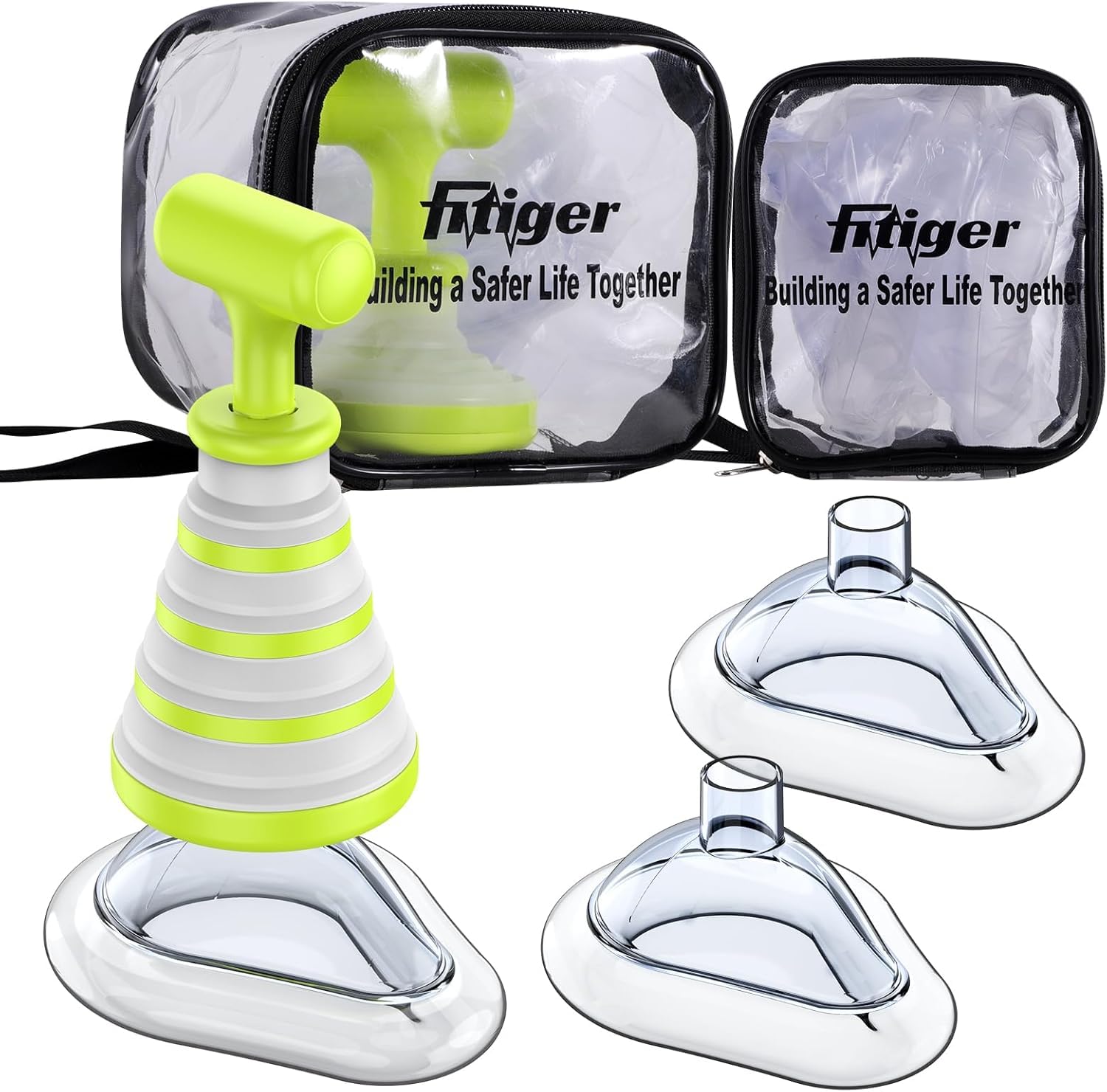
FoldPumpVac Home Kit
A compact option for home, staff, and readiness storage where adult and child mask planning matters.
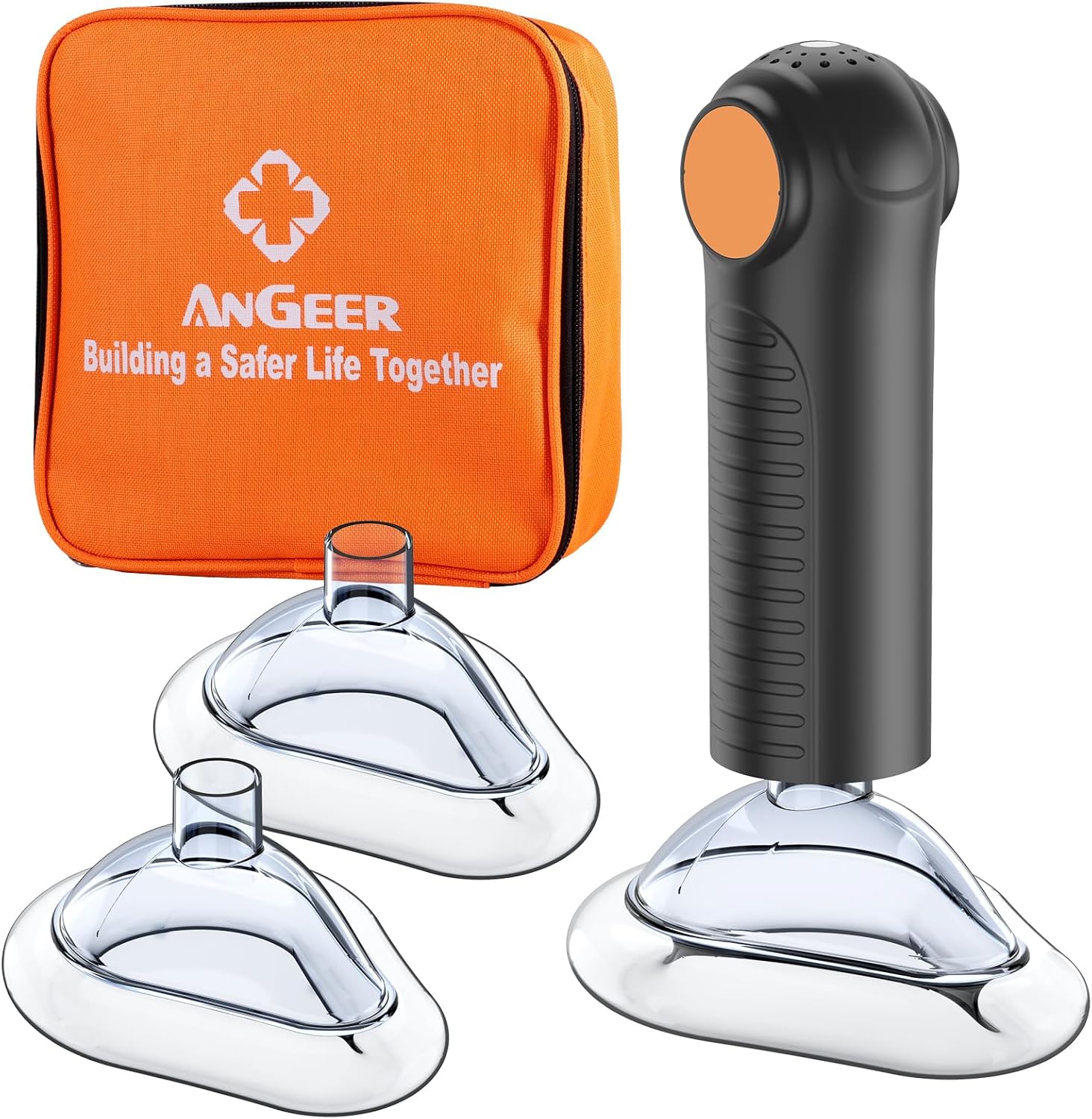
EasyPumpVac Home Kit
A practical family-readiness option where clear storage, home access, and mask visibility matter.
Anti-Choking Device Buyer Matrix
Use this matrix to compare documentation, seller traceability, kit fit, and readiness needs before choosing an anti-choking device or backup airway kit.
 1FDA / regulatory wordingCheck the exact product name, seller language, and whether claims match the product being sold.
  2Evidence typeLook for product-specific testing, validation summaries, and clear documentation.
  3Mask fitReview child and adult mask options, seal needs, and replacement guidance.
  4Storage and placementDecide where the kit will live: kitchen, daycare office, dining room, care bag, or workplace station.
  5Seller traceabilityConfirm company name, website, contact details, support path, and documentation source.
  6Replacement partsReview masks, valves, cleaning steps, and replacement timing for long-term readiness.
  7Training boundaryConfirm standard choking first aid and emergency response remain first.
  8Institutional buyingCheck invoices, contact support, bulk guidance, and documentation needs for schools, facilities, and businesses.
Documents and resources buyers often review
For a buying file, many families, facilities, and organizations review evidence summaries, product operation details, regulatory language, category comparisons, product options, and support contacts.
Regulatory wordingFDA Status Buyer Guide
What buyers should verify before relying on regulatory wording.
FAQ
What evidence should buyers check before choosing an anti-choking device?
Buyers should review product-specific testing, FDA status language, seller traceability, mask sizing, storage needs, instructions, and how the device fits into a first-aid response plan.
Does an anti-choking device replace standard choking first aid?
No. Fitiger positions anti-choking devices as emergency backup equipment after standard choking first aid and emergency response guidance, not as a replacement for training or professional care.
Which Fitiger kit should a buyer compare first?
Families often compare home kit options, while mobile, school, care, or staff-assisted settings may compare portable FoldPumpVac options and Shop All choking rescue kits.
Build a buyer-ready choking response kit plan
Compare Fitiger home, portable, school, and care-setting kits by evidence, storage location, mask access, and responder workflow.
Medical and safety boundary: Fitiger pages are educational and product-planning resources. They do not replace professional medical advice, emergency services, CPR training, back blows, abdominal thrusts, or local first-aid guidance.


