


Home > Home and Kids
Child Choking Safety at Home
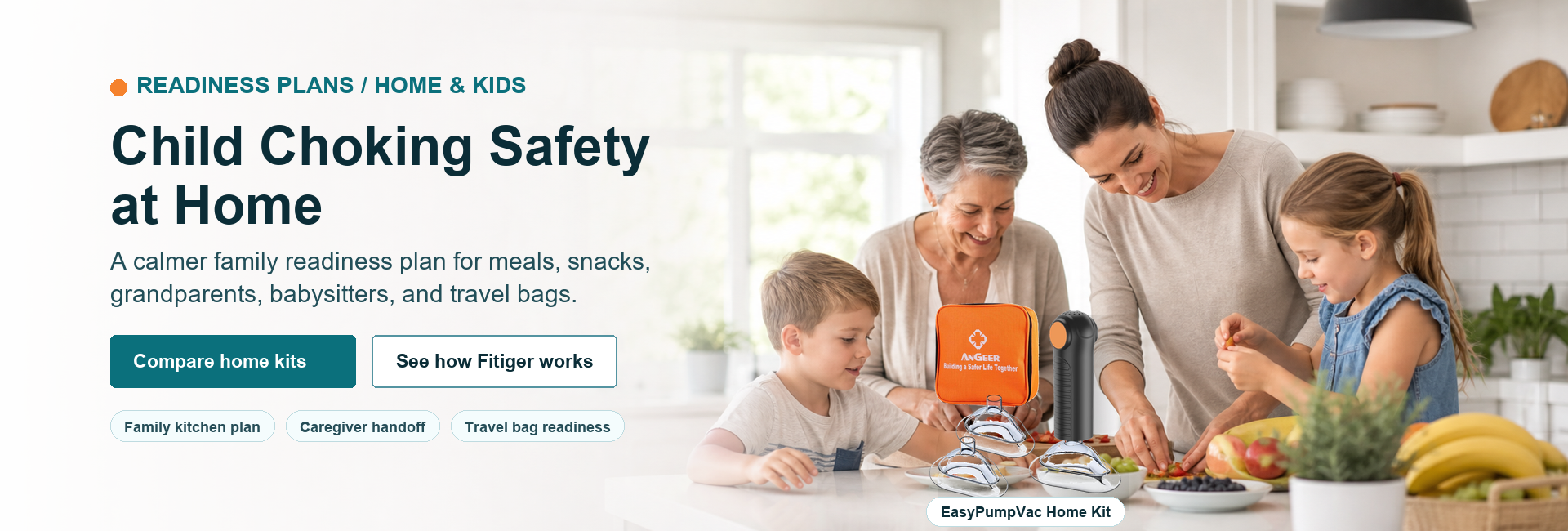

Home and kids readiness
Child Choking Safety at Home: A Practical Readiness Plan for Families
A family choking safety plan should be easy for parents, grandparents, babysitters, and travel caregivers to understand. This page organizes prevention, first-aid readiness, and backup kit placement for everyday home routines.
Home mealsGrandparentsBabysittersTravel bagsBackup kit access
Where home readiness usually breaks down
1
People know the plan differently
Parents, grandparents, and sitters may remember different steps. A written sequence keeps everyone aligned.
2
Kits are not placed where meals happen
A choking response kit should be visible and reachable near kitchens, dining spaces, and travel bags.
3
Mask access is not rehearsed
Families should know where adult and child masks are stored before an emergency happens.
Family choking readiness layout
| Home area | Plan to build | Useful Fitiger link |
|---|---|---|
| Kitchen and dining area | Keep emergency numbers, first-aid sequence, and backup kit location visible. | EasyPumpVac Home Kit |
| Grandparent or babysitter handoff | Show storage location and explain that the kit is backup after standard first aid. | How It Works |
| Car, vacation, and second home | Use a portable readiness checklist when the family is away from the main kit. | FoldPumpVac Portable Device |
Home and family kit options
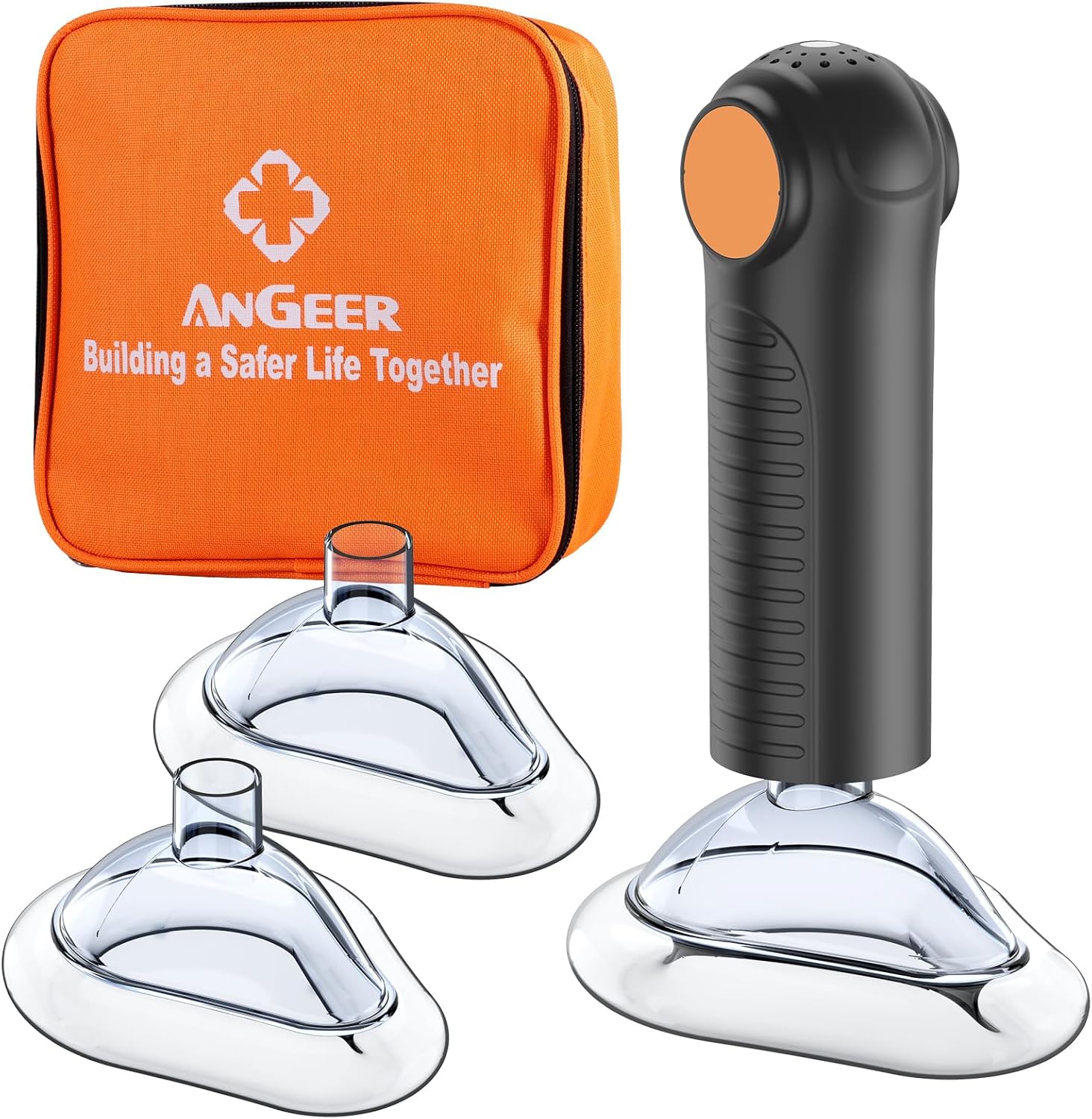
EasyPumpVac Home Kit
For families that want a clear home kit format for dining spaces, caregivers, and routine readiness checks.
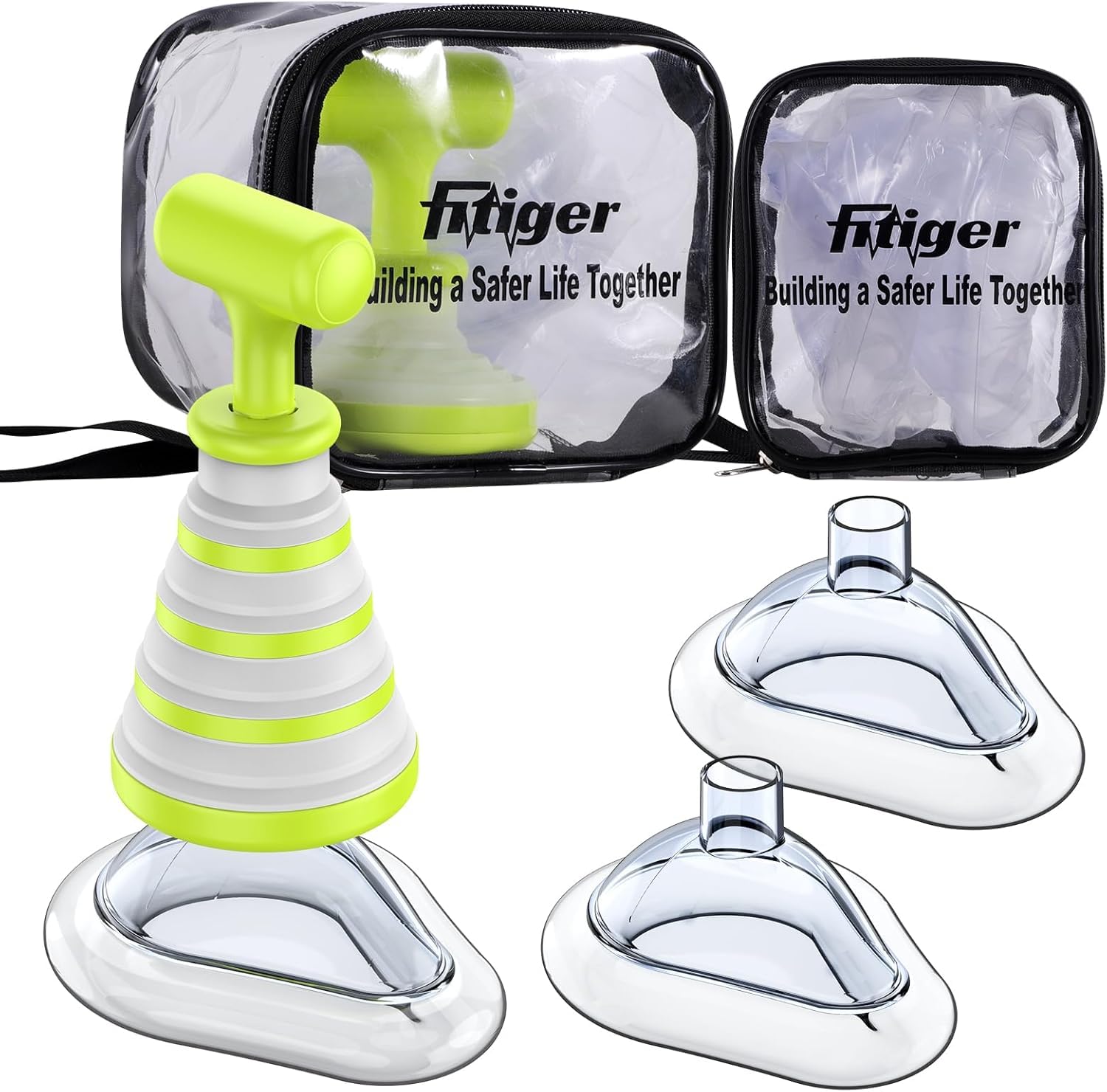
FoldPumpVac Home Kit
For families that want a compact kit with storage flexibility for home, travel, and shared-care settings.
Family choking safety resources
Buyer evidence checklistBaby choking device safety guideInfant weight boundary guideWhere to keep a choking rescue deviceHow Fitiger anti-choking devices workEasyPumpVac Home Kit
FAQ
Where should a family keep a child choking response kit?
Many families keep a choking response kit near meals and snacks, then add a second plan for grandparents, babysitters, travel bags, or rooms where children often eat.
Is Fitiger intended to replace CPR or first-aid training at home?
No. Fitiger should be planned as backup emergency equipment within a child choking safety plan that still follows local first-aid guidance and emergency services.
What should parents compare when choosing a choking rescue device home kit?
Parents should compare kit visibility, mask access, storage location, caregiver handoff, product instructions, and whether the kit fits daily meals, snacks, and family travel routines.
Turn family concern into a simple readiness plan
Choose a kit, place it where meals happen, and make sure every caregiver knows the backup sequence before it is needed.
Medical and safety boundary: Fitiger pages are educational and product-planning resources. They do not replace professional medical advice, emergency services, CPR training, back blows, abdominal thrusts, or local first-aid guidance.


