School Choking Emergency Readiness Playbook (2026)
Getting approval for new safety equipment in a school district often faces a common hurdle: navigating the strict line between emergency preparedness tools and medical devices. When presenting to a school board, framing your proposal correctly is crucial.
District approvals move faster when the packet is operational, budget-ready, and claim-safe. Use a board-ready structure: deployment map, training plan, SOP logs, and non-medical language that focuses on preparedness.
Before choosing equipment, review Fitiger's anti-choking device buyer evidence checklist for FDA wording, testing, seller traceability, and kit-selection questions.
Why a Non-Medical Framework Works for School BoardsFor a deeper understanding of how recent FDA updates affect your procurement checklist, read our analysis on What FDA's QMSR Means for School Readiness.
School“Red Zones”to Map First
Sites with frequent substitute staffing
Substitutes may not be familiar with the location of all emergency supplies.
SOP you can implement in 10–15 minutes

Board-ready packet template
1) Executive summary (1 page)
2) Deployment map + 60-second access targets
3) Training plan + sign-off logs
4) Audit cadence + improvement log
5) Approved language / do-not-say list
6) Vendor/authorization documents (as applicable)
Approved language
Preparedness planning
Staff readiness drill
Emergency response workflow
Visible staging points
Routine access testing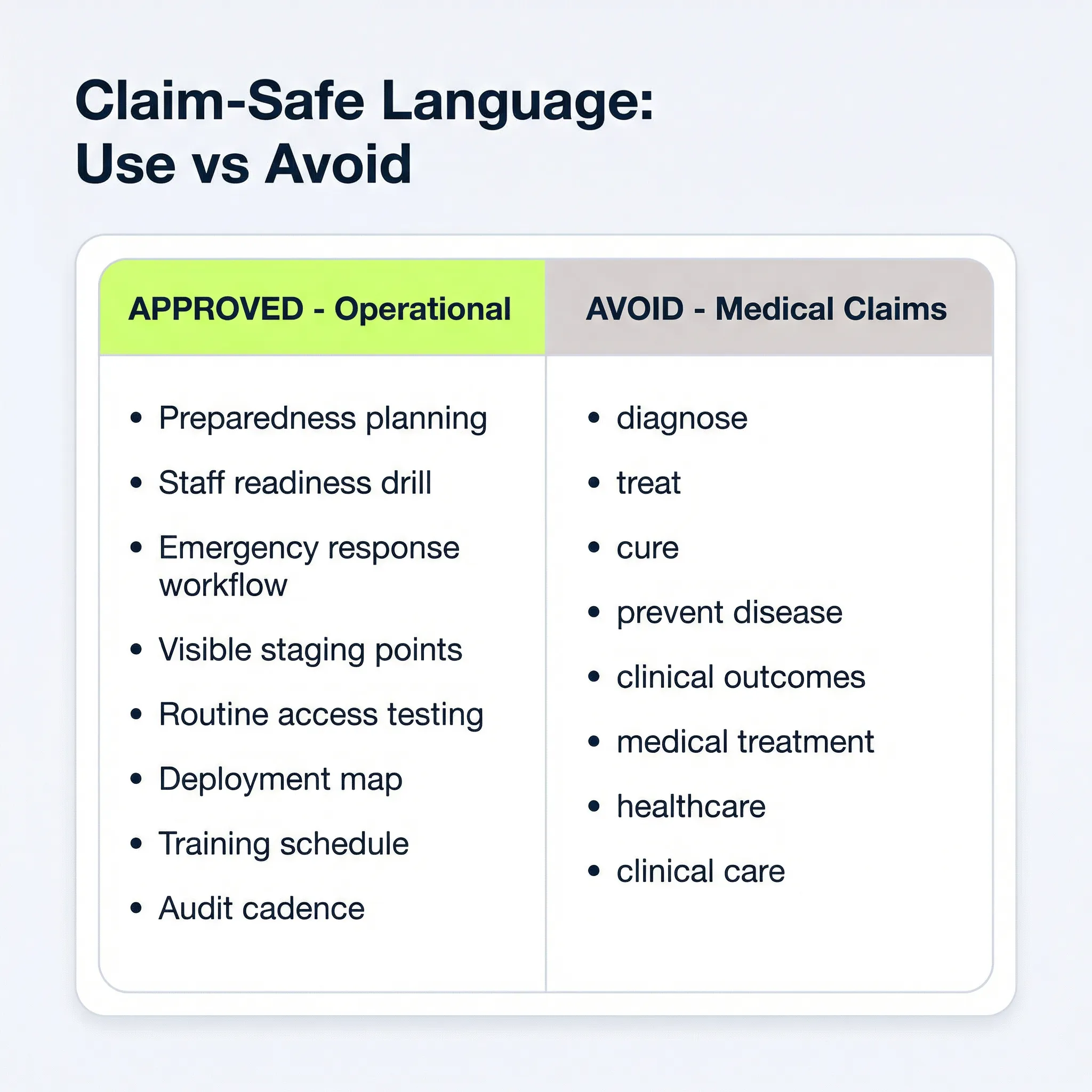
Do-not-say list (claim safety)
Avoid: diagnose, treat, cure, prevent disease, medical device claims, clinical outcomes.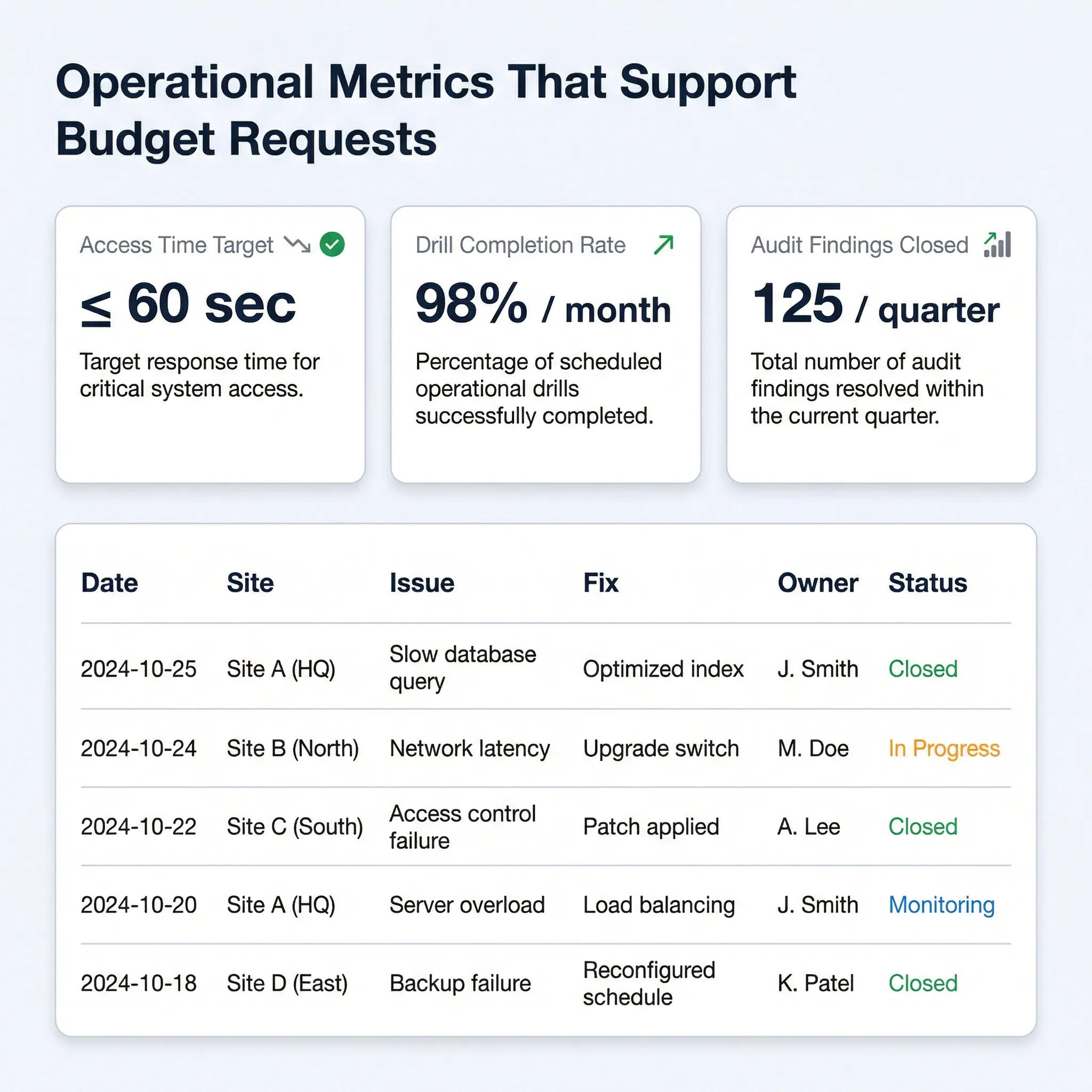
Q: What does “non-medical claims” mean in a board packet?
A: It means focusing on operations: training, staging, audits, and readiness—without claiming diagnosis, treatment, or clinical outcomes.
Q: What makes a packet “board-ready”?
A: Clear deployment plan, measurable access targets, training cadence, audit logs, and a claim-safe language section.
Q: How do we justify budget with operational metrics?
A: Use measurable readiness goals (e.g., under-60 second access), drill completion rate, and audit improvements over time.
Q: What authorization documents should procurement keep on file for brand items?
A: Both: (1) online brand authorization linkage in Seller Central (where applicable), and (2) an official, non-editable letter of authorization matching the buyer/seller entity.
Q: Is this medical advice?
A: No. It is an administrative procurement and readiness framework.
Need Help Building Your Packet?
Our Engineering & Safety team can provide the documentation you need for district approval.
Contact Fitiger B2B Team or Explore the Schools Program
This article is for emergency preparedness planning and training workflows. It does not provide medical advice and does not replace local regulations, school policy, or professional training.


