When a class leaves the campus for a field trip, museum visit, or sporting event, standard emergency protocols are instantly disrupted. The school nurse is miles away, the cafeteria's emergency kit is left behind, and crowds can delay EMS response times.
For childcare teams, Fitiger's daycare choking readiness guide translates similar ideas into snack-time roles and equipment placement.
Off-site choking incidents become highly dangerous because equipment is often buried in a bag and adult roles are unclear. Use a "carry rule," assign a backup adult, and follow a simple arrival/departure checklist to keep readiness intact on trips and at events.
Bus rides: High student density, bumpy roads, and snacking while seated.
Picnic areas & Food courts: Unfamiliar eating environments with easily accessible food.
Venue entry lines & Security screening: Crowded areas where students might quickly swallow snacks before entering.
Assemblies and bleachers: Students eating or chewing gum during downtime.
To ensure safety without adding a heavy administrative burden, implement these 5 steps before the bus leaves:
Assign Carriers: Assign a primary kit carrier and a backup carrier before departure. Both must know exactly where the emergency kit is stored.
The "Carry Rule": The choking rescue kit must be on-body or in an easily accessible top pouch of a backpack—never buried under coats, lunches, or heavy supplies.
The 2-Point Check: Confirm kit access at arrival, and check it again before departure.
Brief Chaperones: Provide volunteers with a 30-second role script and the call chain (venue security + 911 + school contact).
Document Readiness: Use a one-page readiness form stored with the trip permission slips.
Need a broader campus plan? Check out our School Choking Emergency Readiness Playbook.
Most traditional airway clearance devices are bulky and designed for wall-mounting, making them impractical for field trips. If a device is too large, it often gets left on the bus—rendering it useless when an emergency happens inside a museum.
This is exactly why the Fitiger FoldPumpVac™ Series was engineered. Its manually collapsible design takes up a fraction of the space, allowing teachers or chaperones to easily slip it into a daypack or a standard first-aid bag without hesitation.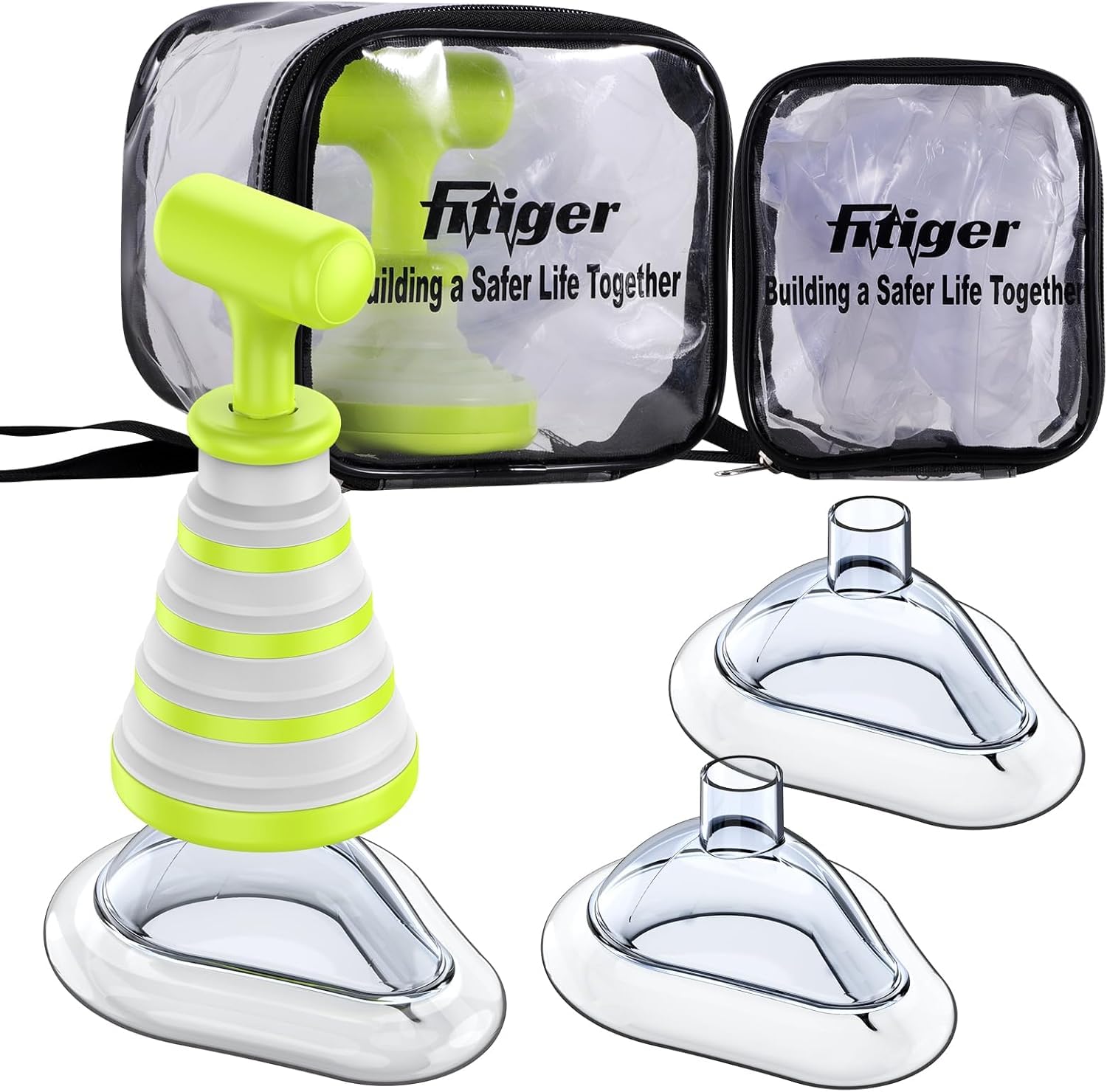
[ ] Primary Carrier assigned
[ ] Backup Carrier assigned
[ ] Kit access verified (top of bag)
[ ] Correct pediatric/adult masks included
[ ] Call chain confirmed
[ ] Venue security location noted
[ ] Arrival check done
[ ] Departure check done

Kit carrier is _____. Backup is _____. If emergency: call 911/venue security, clear space, retrieve kit, follow roles.
Seat students before eating. No walking while eating. Adult scans aisles during snack time.
Q: What is the most common off-site failure?
A: The kit is buried in a backpack or left on the bus, and staff lose time searching.
Q: Should we carry one kit or multiple?
A: At minimum, one primary + one backup carrier for larger groups or long distances from vehicles.
Q: How do we handle venue security screening with medical kits?
A: Keep the rescue device in a clearly labeled clear pouch or medical bag. Brief the security staff immediately upon reaching the front of the line. Build extra time for entry.
Q: Does our school need special board approval for these kits?
A: Many districts approve preparedness tools rapidly if they are presented operationally rather than as medical treatments. Read our guide on How to Build a Board-Ready Procurement Packet.
Disclaimer: This content is for emergency preparedness planning and training support. It is not medical advice and is not intended for diagnosis or treatment. Follow your school policies, local regulations, and certified emergency protocols. This device is a supplemental emergency preparedness tool and does not replace standard first aid training or the Heimlich maneuver / CPR as taught in certified programs.


