


Introduction: A foldable airway clearance device can save storage space, but real mobile readiness also depends on access, visibility, movement, conditions, and clear instructions.
When an airway clearance device travels with a family, it may spend more time inside a vehicle, stroller basket, or care bag than in active use. That makes storage part of readiness. A device that fits into a small space is easier to carry, but it still needs to remain easy to find, protected from movement, and available when a caregiver needs it. Fitiger FoldPumpVac is presented as a foldable portable airway clearance device for settings that include home, travel, stroller, school, and care environments. Its travel storage bag supports the idea of mobile storage, while the practical details of each location still require separate thought. A vehicle, stroller, and care bag create different problems for access and protection. The right question is not only “Can it fold? ” but also “Can the right person reach it and understand what to do? ”
Foldability Helps With Limited Storage but Does Not Answer Every Question
Foldability solves one clear problem: limited storage volume. In a vehicle, emergency equipment may compete with groceries, sports gear, blankets, and child-care supplies. In a stroller, the same item may share space with diapers, clothing, bottles, and toys. A foldable form can make it easier to place an airway clearance device inside a travel bag, side compartment, or other designated storage area without needing a large rigid container. That benefit is practical, but it works only when the folded device remains identifiable and reachable. A compact item can disappear beneath other belongings just as easily as a larger one. If a caregiver has to empty a trunk or remove several stroller items before reaching it, the space-saving design has not improved actual access. Storage location, visual recognition, and a consistent place matter as much as the shape of the device. Foldability also leaves several physical questions for the storage environment. Vehicle and stroller suitability therefore remains a storage evaluation question. Caregivers should understand the product’s actual dimensions, the way it should be positioned, and any environmental instructions before assigning it to a permanent mobile location. This is especially important because a vehicle can experience strong movement, direct sunlight, and changing temperatures. A stroller can be shaken over curbs, tilted during folding, or left outdoors for short periods. The product information identifies vehicle and stroller-related settings as scenarios for evaluation, while specific heat, cold, moisture, impact, and fixation limits require the manufacturer’s instructions. Foldability is a useful storage feature; it is not an environmental rating.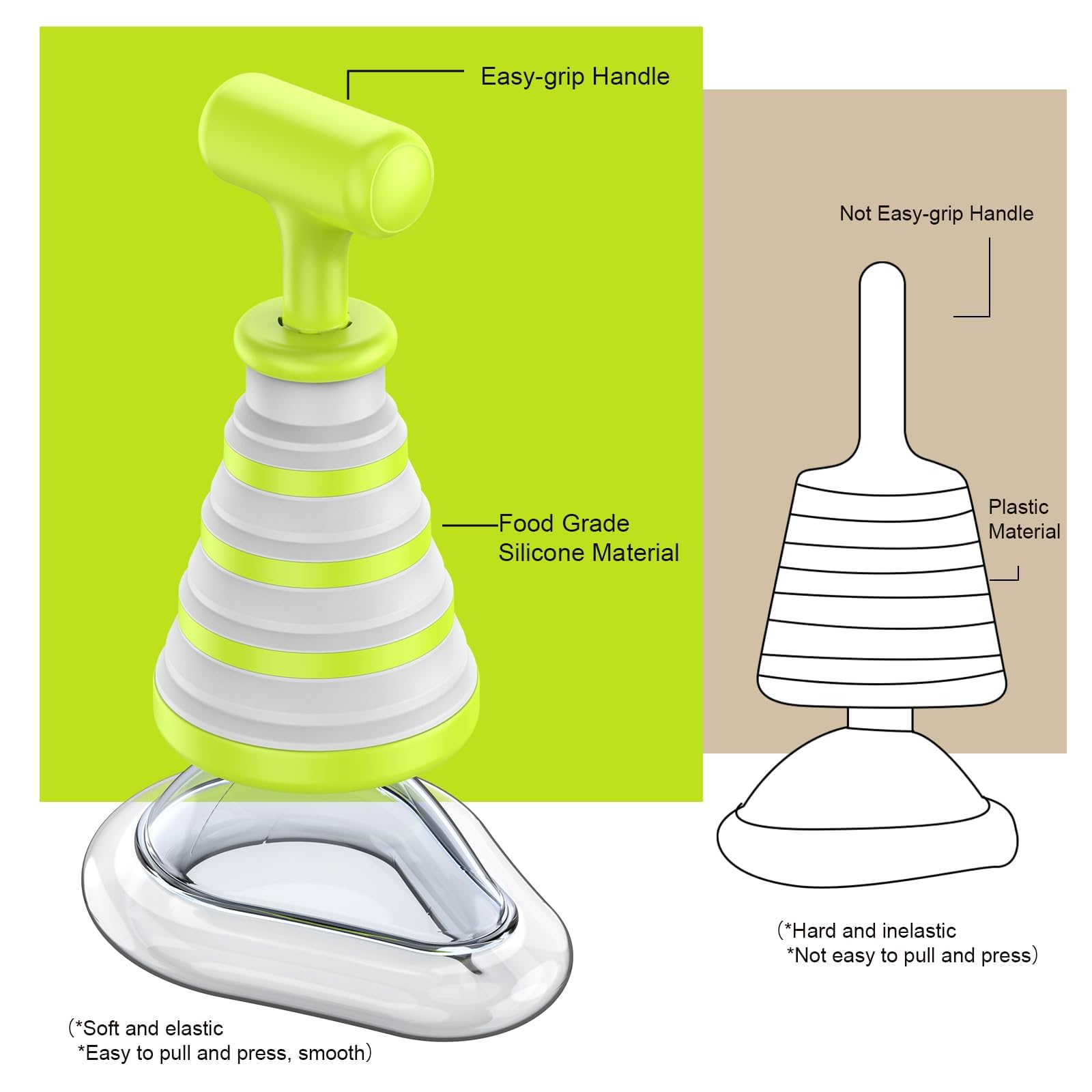
Vehicle and Stroller Storage Need Different Access Decisions
A vehicle is often used as a shared emergency-storage point. Several adults may drive it, and the person who needs the airway clearance device may not be the person who packed the vehicle. The storage decision should therefore be understandable to someone other than the primary caregiver. A device placed in a clearly designated, visible location is easier to retrieve than one hidden in an overloaded trunk or left inside an unrelated bag. Vehicle storage also involves movement. During braking, turning, loading, and unloading, loose equipment can slide, become covered, or be separated from its storage bag and instructions. The aim is simple: keep the device in a stable, recognizable place that does not interfere with driving and can be reached quickly when the vehicle is parked safely. A stroller creates a different access problem. The person pushing the stroller may need one hand for steering and the other for a child, phone, door, or personal bag. A device stored at the bottom of a crowded basket can be technically present but practically unavailable. It may also be covered when the stroller is folded or moved through a narrow space. The best location is one that keeps the device close to the caregiver without making the stroller unstable or obstructing normal handling. The CDC’s guidance on children and school preparedness emphasizes organized responsibilities, resources, and planning around children’s needs. That principle also applies to mobile family care: someone should know where the equipment is kept, how to identify it, and which instructions belong with it. HealthyChildren. org likewise places strong emphasis on choking prevention and caregiver education for babies and children. Storage supports that preparation, but it works alongside supervision, prevention knowledge, and appropriate emergency response—not instead of them.
1. Vehicle Storage Must Account for Movement and Unconfirmed Conditions
A vehicle storage location should be selected around the moment of use, not simply the largest empty compartment. For example, a family may keep an airway clearance device in a rear storage area because it is out of the way. If luggage covers that area during a weekend trip, access changes. A side pocket or designated case may be more practical when it stays visible and reachable, but the exact choice depends on the vehicle layout and the manufacturer’s storage directions. Caregivers should also think about who may open the vehicle. If grandparents, babysitters, school staff, or another driver may respond first, the location should be communicated in advance. A short label or agreed storage position can reduce searching. Instructions should stay with the device, not in a separate household drawer, because mobile equipment often changes hands and locations. Environmental conditions deserve equal attention. The available product facts do not state temperature limits, waterproofing, impact resistance, or approval for unattended vehicle storage. A hot dashboard, damp trunk, or freezing compartment may therefore require a specific answer from the official instructions. Until that information is available, the device can be regarded as suitable for a vehicle scenario under evaluation, with its permanent storage position chosen carefully.
2. Stroller Storage Must Preserve Access Without Disrupting Caregiving
Stroller storage has to work during movement and during care. A caregiver may be walking through a crowded public space, stopping to feed a child, folding the stroller into a car, or lifting it over a step. Equipment that shifts from one compartment to another can become difficult to locate. Equipment attached in a way that blocks folding, changes balance, or interferes with the child’s seating area creates a different problem. The product’s stroller setting makes the FoldPumpVac relevant to this type of mobile-care discussion, and the travel bag may help keep its components together. The actual attachment or fixation method is not confirmed, so caregivers should use only an arrangement supported by official instructions or a suitable storage solution. The device should remain separate from loose toys and routine supplies, with its bag and instructions kept together. Visibility is useful for more than speed. It helps another caregiver recognize that the stroller carries emergency equipment. That matters when a parent is distracted, a babysitter takes over, or a family member is helping in a public place. A compact foldable airway clearance device is most useful when its compact form supports a clear caregiving routine rather than making the equipment easier to forget.
Mobile Caregiving Requires Visible Equipment and Current Instructions
Mobile caregiving is a chain of small handoffs. A parent may move the device from the home shelf to the vehicle, then to a stroller, then to a travel bag. Each transfer creates a chance for the device, face masks, storage case, or instructions to become separated. The visible presentation of the Fitiger FoldPumpVac includes adult, child, and infant mask designs, along with a travel storage bag. Those are useful configuration clues, while exact quantities, sizes, selection guidance, and age or body-fit limits belong in the official product information. Instructions are part of the equipment. A caregiver who remembers the device’s general purpose may still need model-specific directions, warnings, fit information, and steps for use. A picture or short product description cannot replace complete instructions or appropriate first-aid training. This is particularly important in child care, where the risks and response needs of babies and children vary. The American Academy of Pediatrics’ HealthyChildren. org resource reinforces the importance of prevention knowledge and active caregiver awareness around choking hazards. A strong mobile setup makes the equipment easy to identify, keeps related parts together, and makes the current instructions available at the same time. It also gives caregivers a shared understanding of the storage location. In a family, that may mean telling every regular driver and babysitter. In a school, care setting, or mobile team, it may mean assigning responsibility for the device’s location and instruction status without turning the arrangement into a complicated administrative program. Storage checks should focus on continuity. After a stroller is cleaned, a vehicle is unloaded, or a care bag is repacked, the device should return to its known location. After use or inspection, caregivers should follow the manufacturer’s instructions for handling, cleaning, replacement, and re-storage. This approach also keeps the product’s role clear. An airway clearance device can be considered as one part of a broader choking-safety preparation plan. Standard emergency response, local emergency services, caregiver training, supervision, and child-safety education remain important. The CDC’s preparedness guidance supports assigning responsibilities and organizing resources so that equipment is connected to people and information, rather than stored as an isolated object.
Conclusion
A foldable airway clearance device is valuable in a vehicle or stroller because limited space is a real problem. It becomes more useful when the storage location also supports visibility, stable placement, environmental care, continuous access, and shared instructions. Fitiger FoldPumpVac is presented for home, travel, stroller, school, and care settings, making it a relevant example of a mobile-storage product. Its folded dimensions, weight, fixation method, environmental limits, and complete instructions should guide the final storage decision. Foldability starts the discussion; dependable access and informed caregiving finish it.
FAQ
Q:How can a foldable airway clearance device fit vehicle storage?
A:A foldable airway clearance device can be placed in a designated vehicle location where it remains recognizable, reachable, and kept together with its storage bag and instructions. The trunk, side compartment, or another position should be chosen around safe access and movement during driving. The FoldPumpVac’s folded dimensions, weight, environmental limits, and storage requirements should be confirmed before assigning it to long-term vehicle storage.
Q:What should caregivers consider when storing an airway device with a stroller?
A:Caregivers should choose a stroller location that preserves quick access without blocking the child, changing stroller balance, or interfering with folding and movement. The device, masks, travel bag, and instructions should remain together and separate from loose toys or routine supplies.
Q:Does a foldable design confirm that a device can withstand vehicle conditions?
A:No. Foldability describes the device’s storage form. It does not provide a temperature, moisture, impact, or fixation rating. Vehicle suitability depends on the manufacturer’s storage instructions and the conditions inside the chosen vehicle location. Those details should be confirmed before leaving the device in an unattended vehicle.
Sources / References
About Children in Disasters | Children & School Preparedness | CDC
Choking Prevention for Babies & Children: What Every Parent Needs to Know


